
Carpenter Ants vs. Termites: How to Tell the Difference
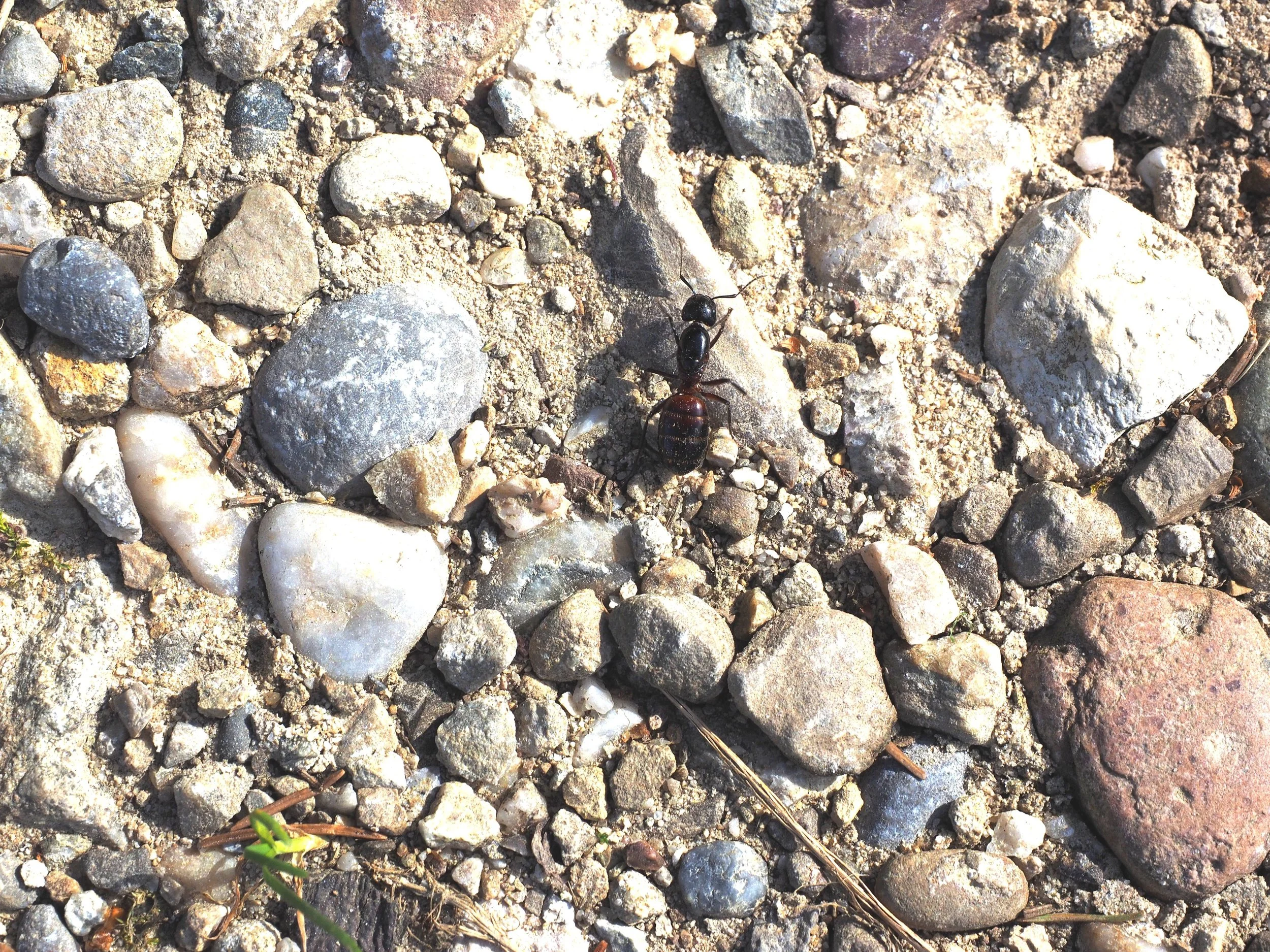
How to tell them apart in your San Ramon home before the damage adds up.
You spot winged insects near a windowsill, or a little pile of what looks like sawdust at the base of a wall, and the worried question follows immediately: is this termites? It might be. It might also be carpenter ants. Both damage wood, both can be active in San Ramon homes, and they're genuinely easy to confuse, but they call for very different treatment.
Here's how to tell carpenter ants from termites, and why getting the identification right is the most important first step.
Why the difference matters so much
Carpenter ants and termites both threaten the wood in your home, but they do it differently and they're controlled differently. A treatment aimed at one can be useless against the other. As we explain in our look at DIY versus professional treatment, correct identification is where effective pest control begins. Guess wrong and you can spend weeks watching the damage continue.
The good news: once you know what to look for, the two are easier to distinguish than most people expect.
Look at the insect itself
If you can get a close look at one of the bugs, three features tell you almost everything.
The waist. This is the clearest tell. Carpenter ants have a narrow, pinched waist, the classic hourglass ant shape. Termites have a thick, straight waist with no pinch, so their body looks more like a single uniform tube.
The antennae. Carpenter ant antennae are bent, with a distinct elbow in the middle. Termite antennae are straight and look like a tiny string of beads.
The wings (if present). Both produce winged swarmers, but the wings differ. A carpenter ant has two pairs of wings of unequal length, the front pair longer than the back. A termite's four wings are all the same length and noticeably longer than its body. Termites also shed their wings readily, so finding a small pile of equal-length wings near a window or door is a strong termite sign.
A quick way to remember it: ants are pinched, bent, and uneven; termites are straight, beaded, and even.
Look at the damage and debris
You won't always catch the insect in the act, so the clues they leave behind matter just as much.
Carpenter ants don't eat wood, they excavate it. They tunnel through wood to nest, pushing the debris out. That debris, called frass, looks like a pile of fine sawdust shavings, often mixed with bits of dead insects and soil. The galleries they carve are smooth and clean, almost sanded-looking. Carpenter ants prefer wood that's already damp or damaged, so their presence can also hint at a moisture problem.
Termites eat wood, and they make a mess of mud. Subterranean termites, the most common type in our area, build galleries packed with mud and soil, so the damaged wood looks dirty rather than clean. They also build distinctive mud tubes, pencil-width tunnels of dried earth running up foundations and walls, to travel between their underground nest and their food. Drywood termites leave behind tiny, ridged fecal pellets instead.
So the debris is a fast field test: clean sawdust-like frass and smooth tunnels point to carpenter ants, while mud tubes, mud-packed galleries, or pellets point to termites.
Watch the timing and behavior
Swarming season. Both send out winged swarmers to start new colonies, usually in spring. Subterranean termites often swarm on warm days after rain, while drywood termites may swarm in late summer or fall. If you see a swarm, note when it happened, because timing is a useful clue. (Our seasonal pest guide breaks down what swarms when across the Bay Area.)
Where you see them. Carpenter ants are large and often active at night, and you may actually see them foraging across counters or along baseboards, well away from their nest. Termites stay hidden. Worker termites avoid light and open air entirely, which is exactly why they build those mud tubes. If you're regularly seeing the bugs out in the open, you're more likely looking at ants.
A quick comparison
| Clue | Carpenter ants | Termites |
|---|---|---|
| Waist | Narrow, pinched | Thick, straight |
| Antennae | Bent (elbowed) | Straight, beaded |
| Wings | Unequal length | Equal length, longer than body |
| Wood damage | Smooth, clean tunnels | Mud-packed, dirty galleries |
| Debris | Sawdust-like frass | Mud tubes or fecal pellets |
| Eats wood? | No, excavates it | Yes |
| Seen in the open? | Often | Rarely |
Either way, don't wait
Whether it turns out to be carpenter ants or termites, both cause real damage over time, and both are hard to fully resolve with store-bought products because the colony is hidden inside wood or underground. The first job is always identification: figure out exactly what you have so it gets the right treatment. For carpenter ants, that means treating the colony at the source. For termites, it means getting the right specialist on it quickly, because termite work calls for dedicated certification and equipment.
If you're spotting swarmers, frass, mud tubes, or hollow-sounding wood, the smartest move is to have it identified before the damage adds up.
Frequently asked questions
How can I quickly tell a carpenter ant from a termite?
Look at the waist and antennae. Carpenter ants have a pinched waist and bent antennae, while termites have a straight, thick waist and straight, beaded antennae. Termite swarmers also have four equal-length wings, longer than the body.
Which is worse, carpenter ants or termites?
Termites generally cause faster, more extensive structural damage because they actually eat the wood, while carpenter ants excavate it for nesting. Both are serious and both warrant professional attention if established in your home.
What does carpenter ant frass look like versus termite damage?
Carpenter ants push out sawdust-like frass mixed with insect parts, and their tunnels look smooth and clean. Termites leave mud-packed galleries and build pencil-width mud tubes, or in the case of drywood termites, small ridged fecal pellets.
Family & Pet-Safe
Family and pet-safe products, applied with care to protect your home, kids, and pets.
Often Same-Day Service
We can frequently treat your property within 24 hours of your call.
100% Satisfaction Guarantee
If pests come back between visits, so do we — at no extra charge.
Local, Personalized Care
A small-company touch backed by industry-grade methods and equipment.
Get fast, effective protection backed by our 100% satisfaction guarantee. Reach out today and ask about current promotions.
110 Ryan Industrial Ct Suite 13, San Ramon, CA 94583 · (925) 787-5755 · info@crittella.com